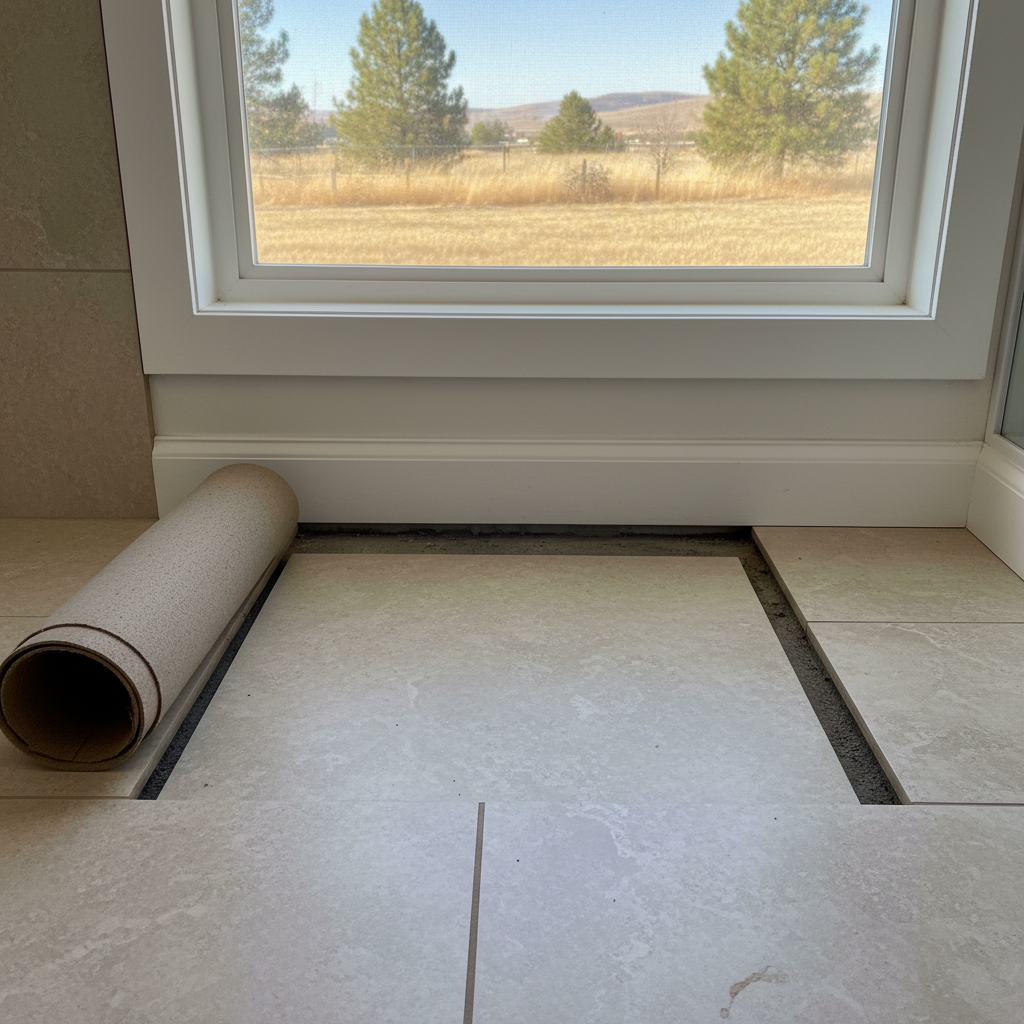
Water is pooling around the base of your bathroom toilet, and it is creeping out toward the hallway floorboards. Stop reading and go shut off the water supply valve behind the toilet right now. Turn it clockwise until it stops. If that valve is stuck—which happens with the hard water we deal with out here in the Treasure Valley—pop off the main shut-off for your house.
Once the water is stopped, you need to figure out what kind of mess you are looking at. A clean water overflow from a supply line break is one thing. But a toilet backing up with black water or gray water is an entirely different situation. Here is how United Restoration Co breaks down what homeowners can handle versus when you need to pick up the phone for Water Damage Restoration Service.
What You Can Handle Yourself
If it is clean water or a minor overflow from a standard clog, you can grab your mop, some towels, and a bottle of disinfectant. Get the standing water up immediately. Meridian's dry summer heat and indoor heating in the winter can trick you into thinking things are dry when moisture is actually trapped under the vinyl or soaking into the subfloor.
- Soak up surface water with old towels or a wet-dry shop vac.
- Mop hard floors with a strong disinfectant cleaner to kill bacteria.
- Run a box fan or set up a dehumidifier in the bathroom to pull moisture out of the air and walls.
If the water stayed in the immediate tile area of the bathroom and you caught it within a few minutes, you are probably in the clear. Just keep an eye on things over the next couple of days.
When to Call a Professional
The moment sewage is involved, or if the water ran for more than ten minutes and soaked into the drywall or migrated into the carpeted bedrooms down the hall, put the mop away. Gray and black water carry bacteria that you do not want lingering in your home. Also, once water gets behind the baseboards or under engineered flooring, standard household fans will not cut it.
United Restoration Co sees this all the time in older Meridian neighborhoods where tree roots have compromised the sewer line, causing repeated backups. If your walls are getting damp or the subfloor feels spongy, you need industrial air movers and professional extraction equipment to prevent mold growth. Our dry Idaho air helps, but trapped moisture behind walls does not dry on its own.
Protecting Your Home Moving Forward
Take a few minutes to check your supply lines. Those braided stainless steel hoses do not last forever, and if yours are bulging or more than ten years old, swap them out. Make sure everyone in the house knows where the bathroom shut-off valve is located so they are not scrambling blindly when a crisis hits. A little prep work saves you thousands in floor repairs down the line.